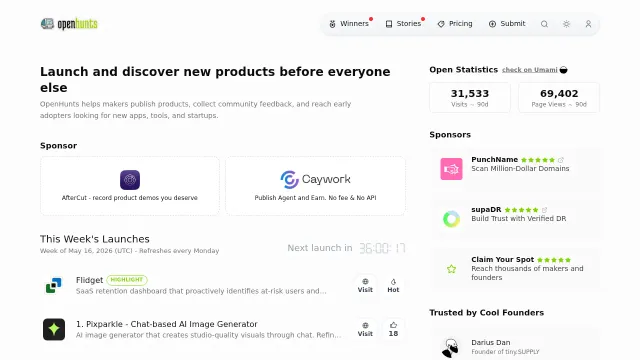
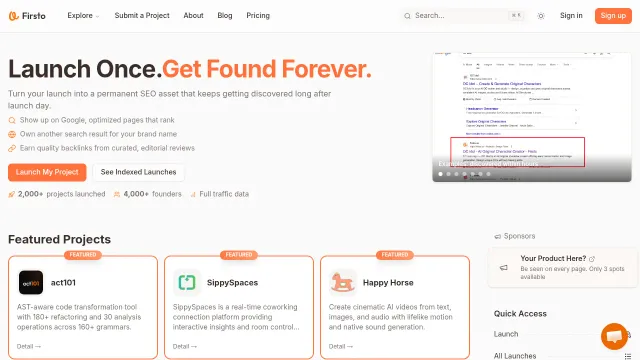
Product Hunt Alternatives
A curated guide to platforms where you can launch and promote your product beyond Product Hunt.
Why look beyond Product Hunt?
Product Hunt is the most well-known launch platform, but it has become increasingly competitive and pay-to-play. Getting to the top of the daily leaderboard now often requires a coordinated campaign with a large existing audience, not just a great product. For indie hackers, solo founders, and small teams, this can feel like a lottery.
More importantly, Product Hunt gives you a single spike of traffic on launch day. Once your post slides off the front page, the visibility is gone. A smarter approach is to spread your launch across multiple platforms that work on different timescales: launch platforms for day-one visibility, communities for ongoing engagement, and directories for long-term organic discovery.
This guide organizes 27+ platforms by type so you can build a launch strategy that compounds over time instead of depending on a single day.
Launch Platforms
Launch platforms give you a spike of visibility on a specific day. They work like Product Hunt: you submit, the community votes, and the best products rise to the top. The audience is smaller than Product Hunt, but that can work in your favor. Less competition means a better chance of getting noticed.
The key with launch platforms is timing. Don't launch everywhere on the same day. Stagger your launches across platforms over a few weeks. Each launch gives you a new wave of traffic, feedback, and backlinks. Prepare a landing page, a clear one-liner, and screenshots before you start.
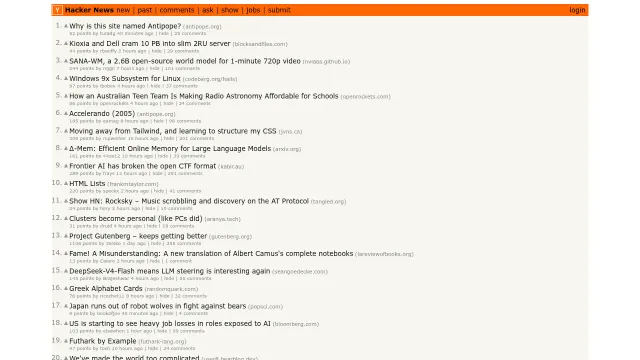
Tech-focused community. A Show HN post that resonates can drive thousands of developer visits in hours.
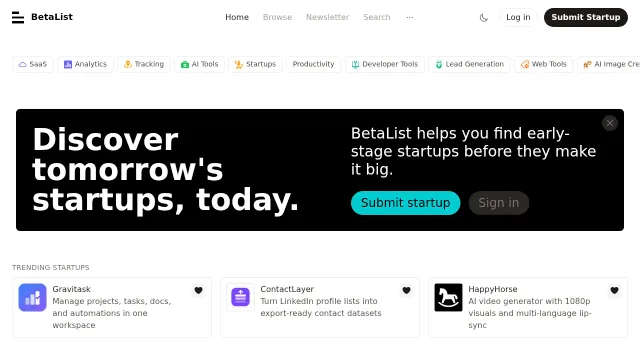 BetaListFree/Paid
Curated startup directory focused on early-stage products. Paid options for faster listing.
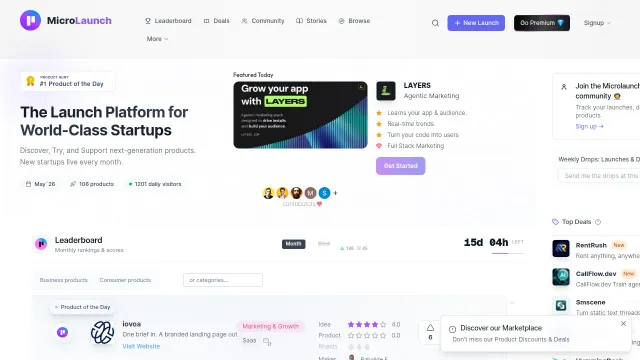 MicroLaunchFree
Built specifically for indie hackers and micro-SaaS. Smaller audience, but highly relevant.
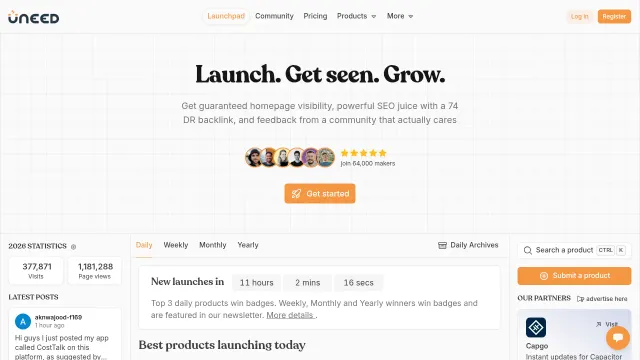 UneedFree/Paid
Curated tool directory with daily rankings. Paid options get you featured faster.
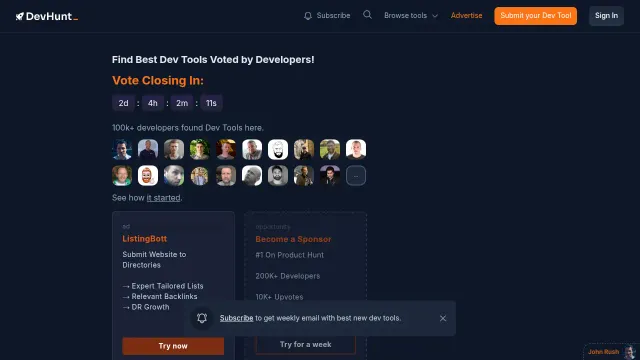 DevHuntFree
Launch platform exclusively for developer tools. If your audience is developers, start here.
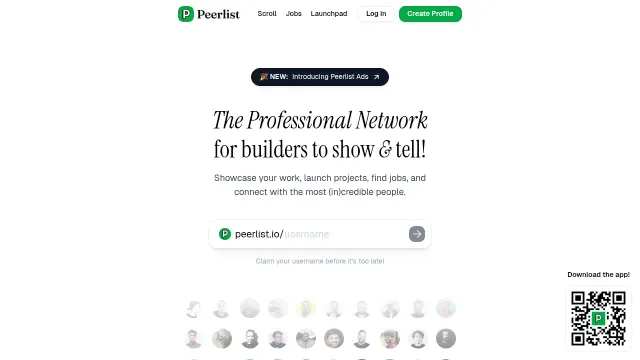 PeerlistFree
Professional network for builders with integrated launch features and peer endorsements.
 FazierFree
Startup launch platform with an engaged community of early adopters.
 Launching NextFree
Submit your startup to get listed and discovered by early adopters browsing new products.
 SideProjectorsFree
Marketplace for side projects. Launch, get feedback, or even sell your project.
 BetaPageFree
Community of beta testers actively looking for new products to try and review.
Communities
Communities are not launch platforms. They are places where people have ongoing conversations. The value here is not a one-day spike but sustained visibility through genuine participation. Share what you're building, ask for feedback, help others, and let your product come up naturally.
The founders who get the most from communities are the ones who contribute before they promote. Write about your building process, share revenue numbers, answer questions in your area of expertise. When you eventually share your product, the community already knows and trusts you. Dropping a link with no context gets you ignored or downvoted.
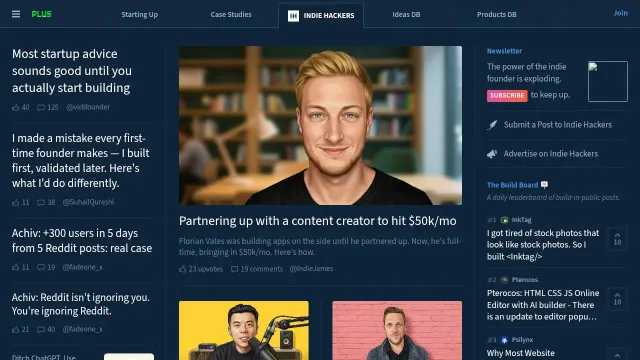 Indie HackersFree
Founders sharing revenue numbers, growth strategies, and hard-won lessons. The audience is other builders who give honest, technical feedback.
 RedditFree
Subreddits like r/SideProject, r/startups, r/SaaS, and r/Entrepreneur each have distinct audiences. Share genuinely, not promotionally.
Directories & Review Sites
Directories are the long game. Unlike launch platforms where traffic spikes and fades, directory listings compound over time. Sites like G2, Capterra, and AlternativeTo have strong domain authority. Your listing shows up when potential customers search for tools in your category. This is passive, ongoing traffic you don't have to maintain.
The trade-off is that directories are slow. It can take weeks or months for a listing to gain reviews and rank in search results. But once it does, a single G2 or Capterra listing can consistently drive qualified leads. Encourage your early users to leave reviews. The number of reviews is the primary ranking factor on most of these platforms. If you want to find even more directories beyond the ones listed here, LaunchDirectories.com is a great resource for discovering them.
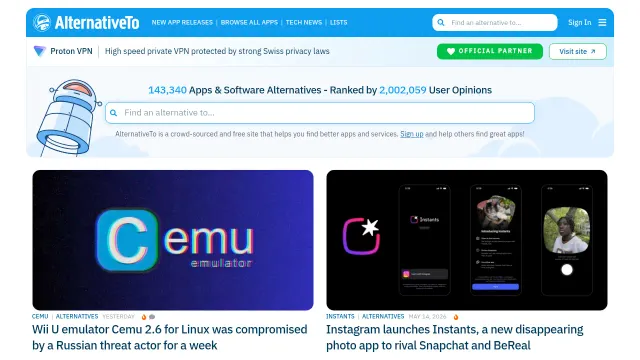 AlternativeToFree
Crowdsourced software recommendations. Users search for tools by comparing them to ones they already know.
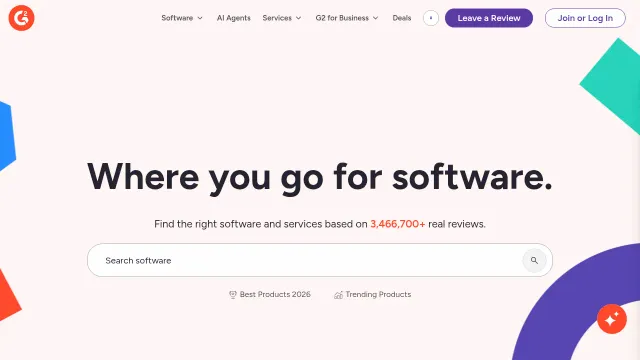 G2Freemium
Enterprise-focused review platform. Millions of B2B buyers use G2 to evaluate software before purchasing.
 CapterraFreemium
Software directory owned by Gartner. Strong SEO presence means your listing gets found organically.
 SaaSHubFree
Independent software marketplace with alternatives, reviews, and trending products.
 SaaSworthyFree
SaaS discovery platform with awards, ratings, and comparison features.
 StartupStashFree
Curated directory of resources and tools organized by category. Good for reaching startup founders.
 SourceForgeFree
One of the oldest and largest software directories. Especially strong for open-source and developer tools.
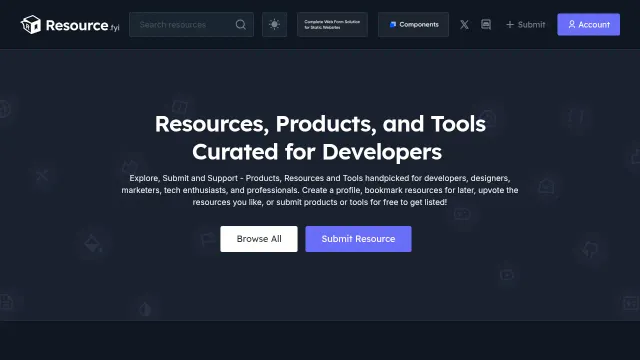 Resource.fyiFree
Curated collection of tools and resources for designers and developers.
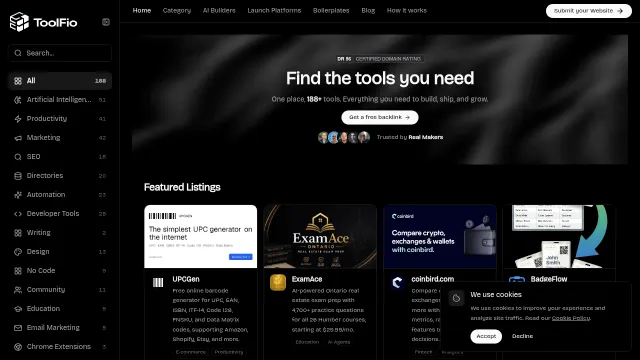 ToolfioFree/Paid
Software directory great for SaaS. Free listing requires adding their badge to your site. Paid option removes the badge requirement.
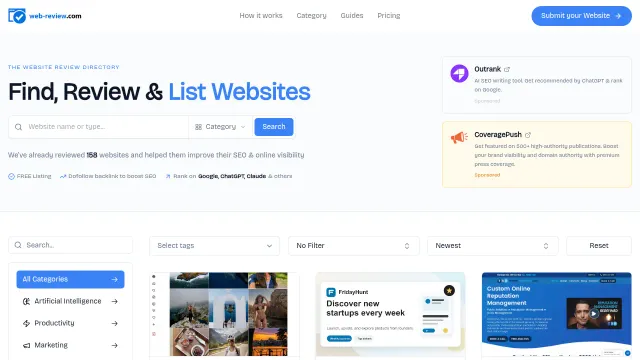 Web ReviewFree/Paid
SEO directory that gives you 3 permanent dofollow backlinks. Helps boost domain authority and visibility on Google, ChatGPT, Claude, and Perplexity.
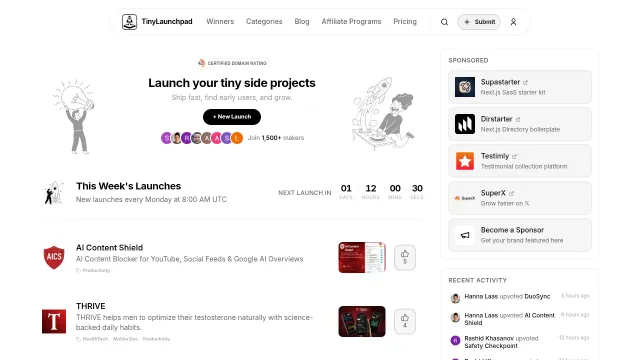 TinyLaunchpadFree
Lightweight launch platform for small products, side projects, and experiments.
AI-Specific Directories
If you are building an AI product, these directories are essential. The AI tool landscape is exploding, and users actively browse these sites to discover new tools for specific tasks. "There's An AI For That" alone gets millions of monthly visits from people searching for AI solutions.
Listing here is straightforward and usually free. The key is to clearly describe what your tool does and which problem it solves. Users browse by category, so your positioning matters more than your brand.
The largest AI tool directory, updated daily. High traffic from people actively searching for AI solutions.
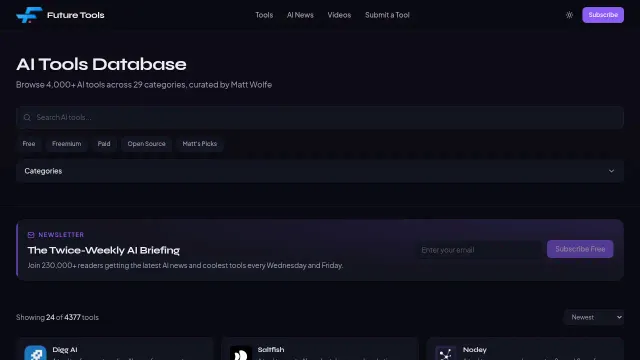 Future ToolsFree
Curated and searchable AI tool collection. Strong YouTube and newsletter audience drives extra visibility.
Other Platforms
These platforms don't fit neatly into the categories above but are worth knowing about. Some are newer and still building their audience, which means less competition and a chance to be an early presence. Others serve specific niches or take a different approach to product discovery.